

In high-stakes commercial construction, structural retrofitting, and industrial facility modification, working blind beneath the concrete surface is a risk no project manager can afford. Modern reinforced concrete structures harbor dense networks of internal elements, including post-tensioned cables, multi-layered rebar grids, high-voltage electrical conduits, and fiber-optic lines. Striking any of these embedded utilities during routine core drilling, slab cutting, or structural trenching can trigger immediate structural failure, catastrophic financial liabilities, and severe hazards to job site personnel. To eliminate these operational threats, general contractors and engineering teams rely on non-destructive subsurface testing methods to obtain precise visual confirmation of internal conditions before any mechanical cutting begins.
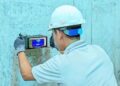
Among non-destructive testing methodologies, advanced concrete xray services provide an unparalleled level of visual clarity and measurement accuracy. While ground-penetrating radar serves as an excellent broad-spectrum imaging tool, radiographic imaging delivers a true two-dimensional silhouette of embedded objects with absolute precision. By placing a radiation source on one side of a concrete slab or wall and a digital imaging plate on the opposing side, technicians capture exact photographic representations of internal structural components. This radiographic process clearly differentiates between steel rebar, post-tension strands, hollow PVC pipes, metallic conduits, and internal air voids. The resulting high-resolution imagery enables structural engineers to measure clear cover depths, evaluate rebar spacing, identify structural anomalies, and establish drill-safe zones with zero margin for error.
The practical execution of radiographic imaging requires strict adherence to radiation safety protocols, state regulations, and job site coordination. Qualified NDT technicians establish controlled exclusion zones around the target scanning area, ensuring work crews are completely protected during exposure cycles. Because radiography penetrates dense concrete matrices, it provides critical verification in complex structural environments—such as heavily reinforced load-bearing columns, post-tensioned parking structures, and bridge decks—where high rebar density might create signal clutter for standard radar tools. Obtaining photographic-grade verification ensures that core drilling rigs can slice through concrete cleanly without nicking tensioned steel cables, which could otherwise release tremendous kinetic energy and compromise the structural stability of the entire building.
Integrating advanced subsurface scanning into the pre-construction phase transforms project risk management from a reactive safety measure into a streamlined operational advantage. Commercial developers, facility engineers, and industrial contractors who partner with specialized diagnostic leaders like coreandsaw.com gain access to an integrated suite of non-destructive testing, precision core drilling, slab sawing, and selective demolition capabilities. By coordinating subsurface scanning directly with mechanical cutting crews, project managers avoid third-party delays, streamline workflow scheduling, and ensure strict compliance with OSHA silica safety standards and ACI building codes.
Ultimately, successful commercial renovations and industrial infrastructure upgrades depend on transitioning from assumptions to verified subsurface data. Deploying radiographic inspection alongside diamond cutting tools protects critical building utilities, safeguards job site workers, prevents structural damage, and guarantees that complex build-outs proceed safely, precisely, and strictly within project timelines.