

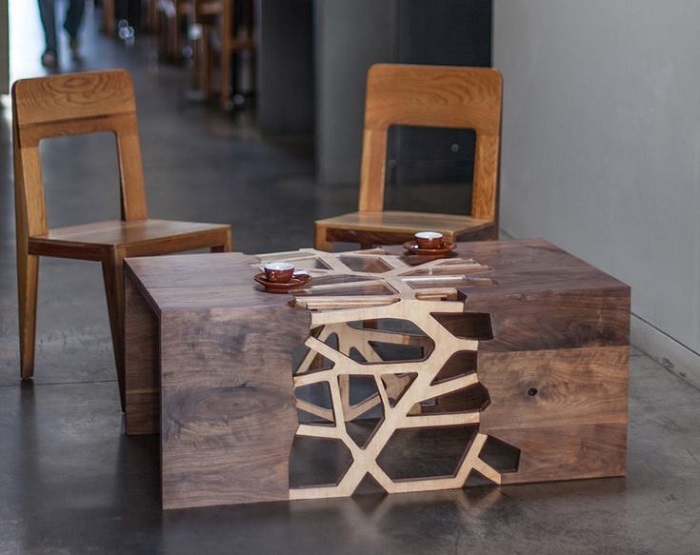
High-end furniture is defined not only by design but by the authenticity of the materials from which it is made. Natural wood, stone, leather, and premium textiles shape how a piece looks, feels, and ages. These materials bring depth, stability, and atmosphere into a space in ways that synthetic alternatives cannot emulate. Many luxury collections, including curated selections available through SayRUG, rely on natural components because they embody longevity, comfort, and true craftsmanship.
The Sensory Experience of Real Materials
Natural materials engage the senses. Solid wood has a tactile warmth, subtle grain variations, and an organic presence that instantly adds credibility to a room. Genuine leather develops a patina that reflects years of use, not wear. Linen and wool breathe with the environment and feel grounded rather than manufactured. This sensory richness becomes a core part of high-end interiors, creating an atmosphere that feels calm, deliberate, and human. In contrast, synthetic materials often appear uniform and lifeless, lacking the quiet complexity that luxury spaces depend on.
Longevity and Structural Integrity
Durability is one of the most persuasive arguments for natural materials. Hardwood furniture, particularly when sourced from walnut, oak, or ash, can last for generations. Its structural strength makes it resistant to warping, sagging, or breaking under weight. Stones like marble and travertine offer both elegance and resilience, aging in a way that enriches their appearance. High-end Italian collections, such as those found when browsing Italian furniture selections, are renowned specifically because master craftsmen rely heavily on premium natural resources to ensure that each piece maintains its integrity for decades.
The Aesthetic Value of Organic Imperfections
Luxury interiors are not built on uniformity but on character. Natural materials possess subtle imperfections—variations in grain, texture, or color—that make each piece unique. These irregularities are not defects; they are signs of authenticity. A hand-finished wooden surface, a leather hide with natural markings, or stone with organic veining introduces visual depth that cannot be replicated through artificial means. This individuality aligns with the modern understanding of luxury: exclusivity through craftsmanship, not mass production.
Sustainability and Ethical Value
The shift toward sustainable living has amplified the value of natural materials. Responsibly sourced wood, untreated textiles, and vegetable-tanned leathers reduce both environmental impact and chemical exposure in the home. Beyond ecological considerations, natural materials support traditional crafts and communities, keeping heritage techniques alive. When high-end furniture is made with these principles in mind, it carries an ethical dimension that appeals to buyers seeking long-term, meaningful investments rather than disposable décor.
How Natural Materials Age Over Time
In luxury furniture, aging is not a flaw but a transformation. Wood deepens in tone, leather becomes softer and more expressive, and stone surfaces mellow gracefully. These changes enhance the beauty of the piece, giving it a sense of narrative and presence. Synthetic materials typically degrade rather than age—peeling, fading, or cracking in ways that highlight their limitations. The way natural materials evolve is precisely why they remain central to high-end design: they add history, emotion, and dimension over time.
A Foundation for Timeless Interiors
Natural materials interact harmoniously with light, space, and color. They complement both traditional and modern interiors, making them inherently timeless. Whether incorporated into minimalist spaces or expressive artistic homes, these materials create balance and sophistication. They prevent a space from feeling artificial or trend-driven. Instead, they anchor a room with authenticity and lasting appeal.
High-end furniture is not defined by ornamentation or brand names alone — it is defined by the integrity of the materials at its core. Natural resources provide beauty, durability, and emotional resonance unmatched by synthetic counterparts. They ensure that each piece of furniture carries its own identity and can evolve alongside the home it belongs to.